ExploreDaily DealsShop with an ExpertBuy AgainOrdersHelp & Support
Join NowHealthcare provider? Join Now
logoImage
Log In
  • Medical Supplies
  • Pharmacy
  • IV Therapy
About Us
What Makes Us Different?
Who We Are
Our Core Values
Our Testimonials
Our Culture
How Reliable Are We?
Who We Serve
Providing Cutting Edge Solution Globally
Partner With USA MedPremium
Healthcare Professional Statement
Newsroom
Quality Assurance
Our Service & Solutions
Shop with an Expert
Analytics & Reporting
Inventory Management
Distribution Solutions
Streamline Integration
Cost Effective Healthcare solutions
Supply Chain Optimization
Credit Allocation
Customer Service
Live Chat Support
Contact Us
Shipping & Returns
Terms & Conditions
Order Status
Account
Log In
Forgot Password
Healthcare Provider? Join Now
USA MedPremium
LegitScript Certified
LegitScript CertifiedVerified Healthcare Distributor
Follow us:
©2026 USA MedPremium. All rights reserved.
Privacy
Your Privacy Choices
Cookies Preference
Terms of Use
Site Map
Pharmaceutical Licensing
PrivacyPrivacy
Your Privacy ChoicesYour Privacy Choices
Cookies PreferenceCookies Preference
Terms of UseTerms of Use
Site MapSite Map
Pharmaceutical LicensingPharmaceutical Licensing
  1. Home
  2. All Products
  3. Categories
  4. Clinical Analyzers and Accessories
  5. Reagents
  6. Molecular Reagent

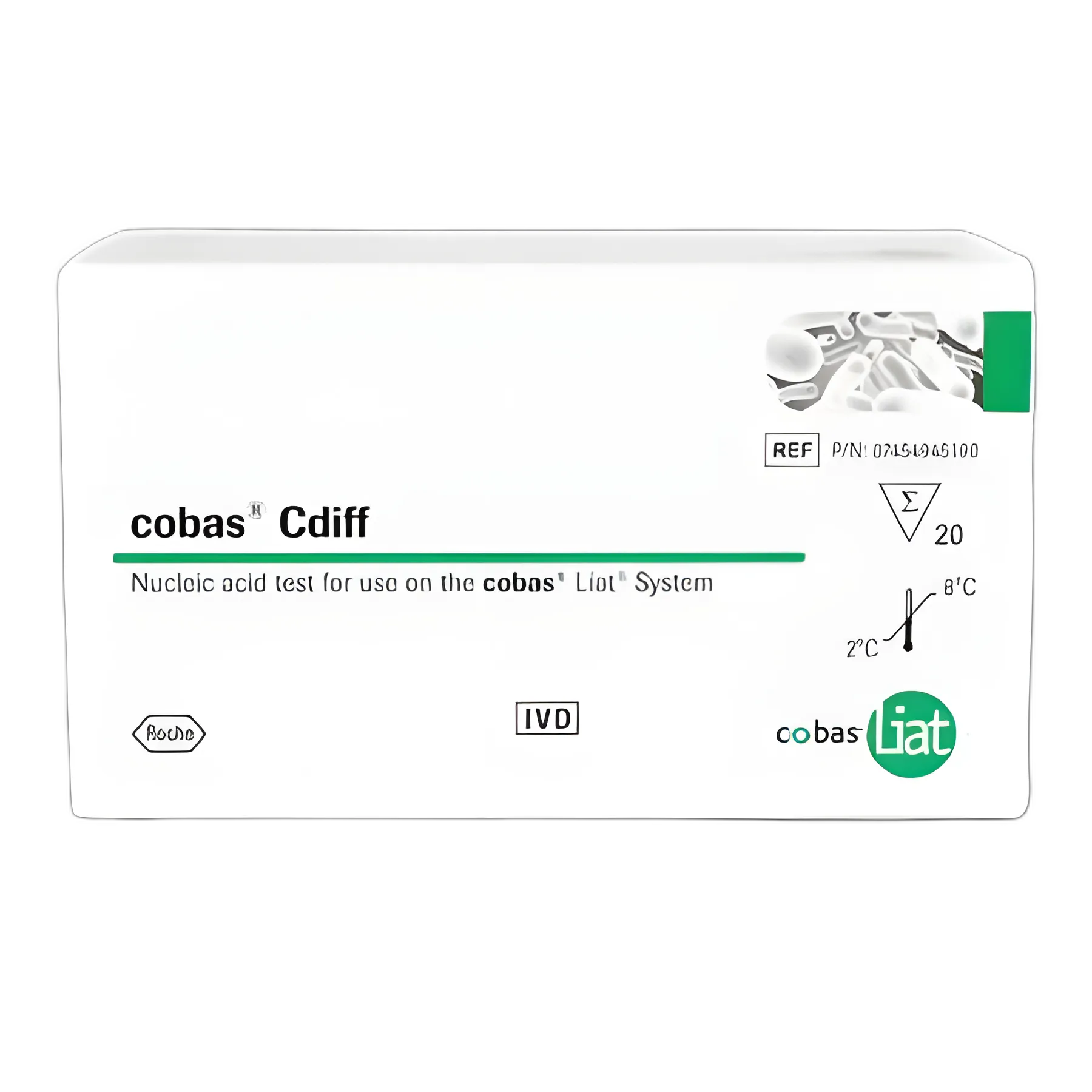
Molecular Reagent Cobas® Liat C. Difficile For Cobas Liat System 20 Tests

USAMP#95110896SKU: 07454945190Cobas® Liat®
productImage

Product Spotlight

  • The cobas® Cdiff Nucleic acid test for use on the cobas® Liat® System is an automated, qualitative in vitro diagnostic test that uses real-time polymerase chain reaction (PCR) for the detection of the toxin B (tcdB) gene of toxigenic Clostridioides difficile (C. difficile) in unformed (liquid or soft) stool specimens obtained from patients suspected of having C. difficile infection (CDI)
  • The cobas® Cdiff Nucleic acid test for use on the cobas® Liat® System is intended for use as an aid in the diagnosis of CDI in humans in conjunction with clinical and epidemiological risk factors