Wound Care Supply Selection: From Negative Pressure Therapy to Advanced Dressings for Outpatient Facilities
Takeaways:
- Most outpatient facilities can cover approximately 90% of wound care cases with four dressing categories: foam, silicone contact layers, hydrocolloids, and antimicrobial dressings.
- The global wound care market reached $24 billion in 2025, with advanced dressings representing the largest product segment.
- NPWT reduces surgical site infection (SSI) risk by roughly 40% compared to standard dressings.
- CMS reclassified skin substitutes to a flat-rate reimbursement model at approximately $127 per square centimeter, changing how outpatient facilities budget for wound care supplies.
- Matching dressing type to wound characteristics — exudate level, wound bed status, and infection risk — is more important than brand loyalty.
- Standardizing wound care supplies by wound type rather than by brand reduces waste and simplifies staff training.
- Facilities should refer to a WOCN specialist for wounds that stall or deteriorate after two to four weeks of appropriate treatment.
Why Wound Care Looks Different in Outpatient Settings
Hospital wound care teams operate with formulary committees, dedicated budgets, and often a full-time WOCN driving product selection. Outpatient facilities rarely have those resources. Wound care decisions typically fall to whichever clinician is treating the patient that day, using whatever wound care supplies happen to be in the supply room.
That matters because outpatient wound care spans a wide clinical spectrum. Post-surgical incision management, chronic diabetic ulcers, dermatological excision aftercare, drain site maintenance, and minor burn care each require different exudate management, infection control, and moisture balance strategies. Using basic gauze and adhesive tape across all wound types slows wound healing stages and increases return-visit rates.
$24 billion — the global wound care market value in 2025, growing at over 4% annually. Advanced wound dressings represent 35% of total revenue.
- Source: Grand View Research, 2025 Wound Care Market Report
The gap between clinical knowledge and supply availability is the core problem this guide addresses. Clinicians often know exactly what a wound needs. The failure point is procurement — the wrong products on the shelf because purchasing decisions were driven by cost or habit rather than wound bed preparation principles.
Wound Assessment Decision Framework
Before selecting any wound care dressing type, assess three variables: exudate level, wound bed status, and infection risk. This framework maps those variables to recommended dressing categories using the TIME framework (Tissue management, Infection/Inflammation control, Moisture balance, Edge advancement).
Wound-to-Dressing Selection Matrix
- High: Granulating (healthy red tissue)
- High: Sloughy (yellow tissue)
- Moderate: Granulating
- Moderate: Mixed (granulation + slough)
- Low/Minimal: Granulating
- Low/Minimal: Dry/Necrotic (eschar)
- Low/Minimal: Fragile/Peri-wound at risk
- Any level: Any status
- Low: Closed incision (post-surgical)
How to use this table: Start with exudate level (left column), then match wound bed status and infection risk. The primary dressing recommendation covers most cases. Use the secondary option when the primary is unavailable or when the wound presents mixed characteristics.
Advanced Wound Care Dressing Types
The wound care dressing landscape is broad, but outpatient facilities do not need every product on the market. Understanding how each dressing type manages moisture balance and supports wound healing stages allows you to stock strategically.

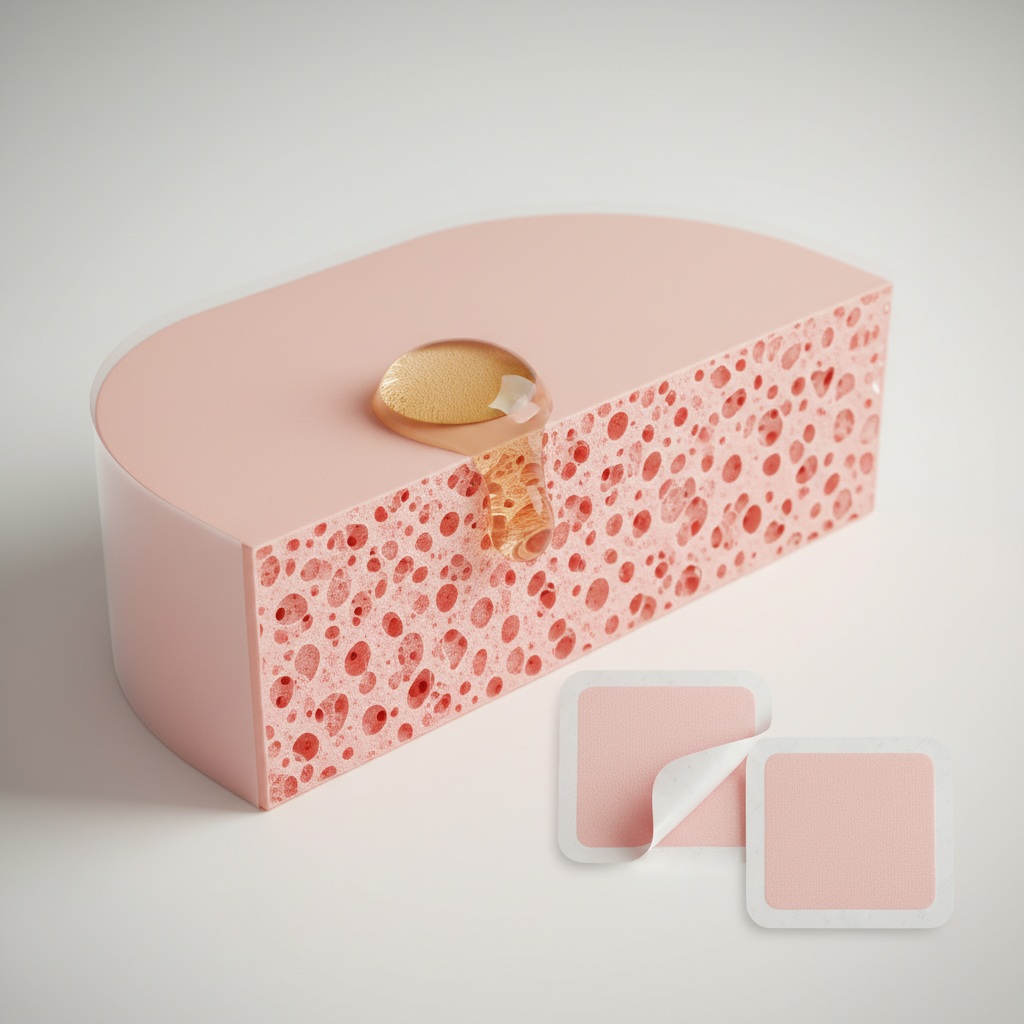
Foam Dressings
Foam dressings absorb moderate-to-heavy exudate through open-cell polyurethane structures. They maintain a moist wound environment without maceration and cushion the wound bed. Available bordered (self-adhesive) or non-bordered (require secondary fixation).
Best for: Post-surgical wounds with moderate drainage, pressure injuries (Stage 2-3), and diabetic foot ulcers.
Outpatient note: Bordered foams simplify self-care for patients managing dressings at home. Non-bordered versions offer more sizing flexibility.
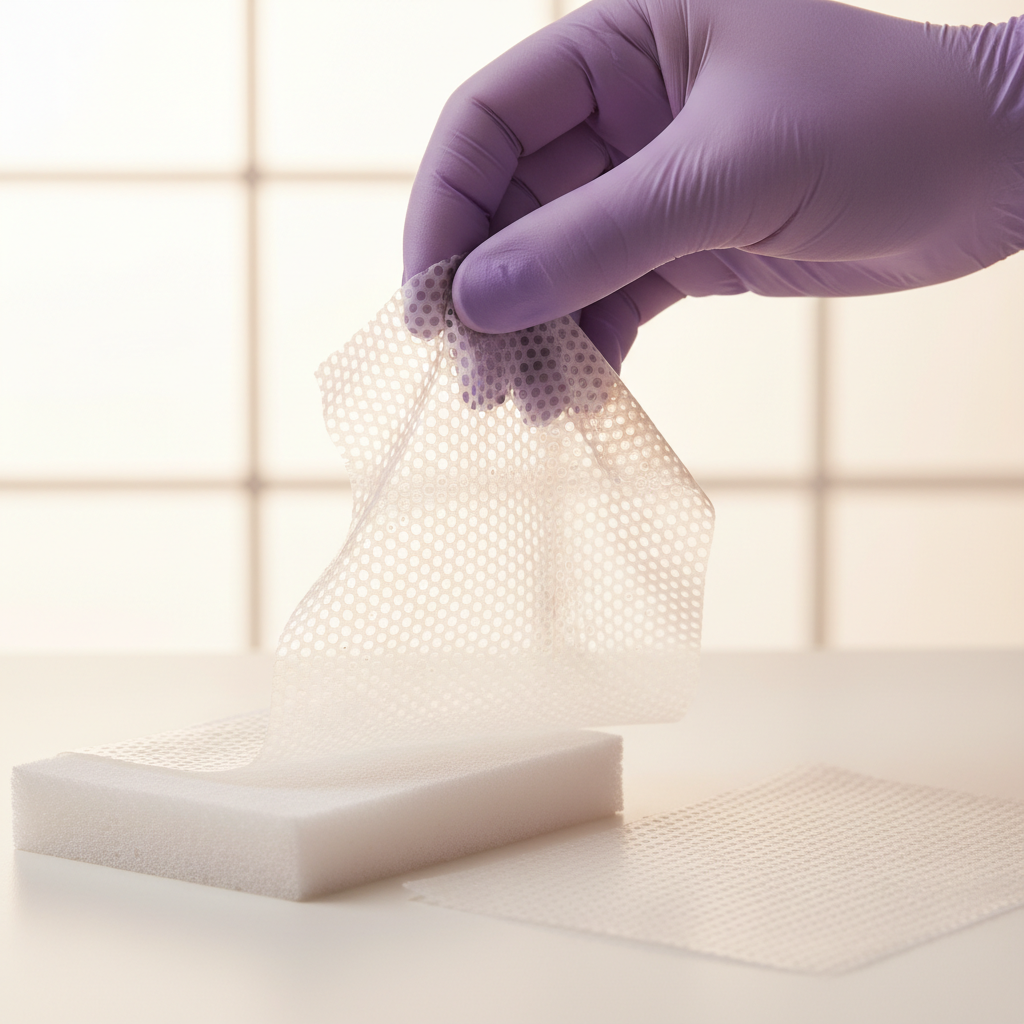
Silicone Contact Layers (Silflex, Mepitel)
Soft silicone mesh that sits directly on the wound bed, preventing dressing adherence to fragile tissue. Exudate passes through the mesh into a secondary absorbent layer. Minimizes pain during dressing changes.
Best for: Skin tears, partial-thickness burns, fragile peri-wound skin, pediatric patients, and any wound where traumatic dressing removal is a concern.
Outpatient note: Reduces patient anxiety about dressing changes. Pairs with virtually any secondary absorbent dressing.
Hydrocolloid Dressings
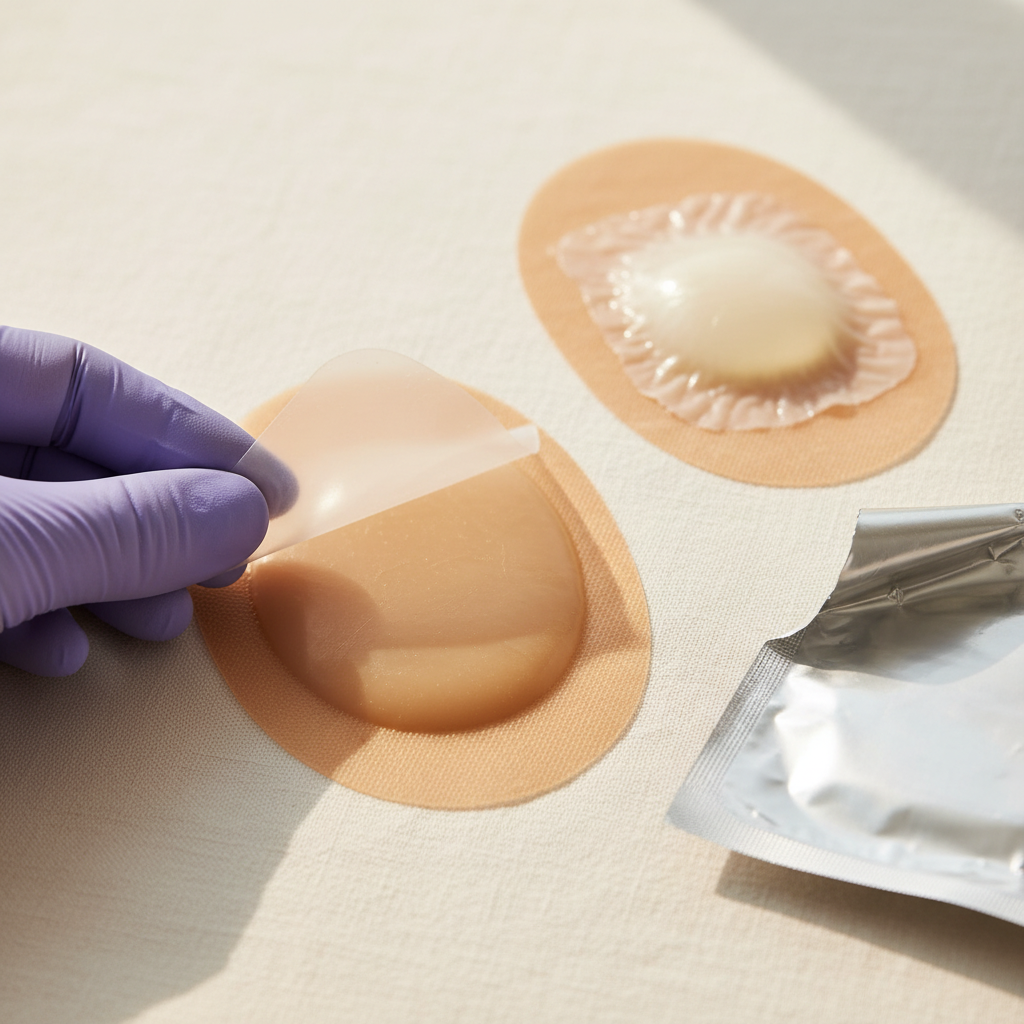
Gel-forming agents (carboxymethylcellulose) bonded to a film or foam backing. Creates an occlusive, moist healing environment. The gel expands as it absorbs exudate, conforming to the wound contour.
Best for: Low-to-moderate exudate wounds, superficial pressure injuries, minor burns, and donor sites. Works well under compression wraps.
Outpatient note: Waterproof outer layer allows patient bathing. Extended wear time (3 to 7 days) reduces visit frequency.
Alginate Dressings
Derived from seaweed (calcium alginate fibers). Forms a gel on contact with wound exudate, providing hemostatic properties and high absorption. Biodegradable and conformable.
Best for: Heavily exuding wounds, cavity wounds, post-debridement wounds, and wounds with minor bleeding.
Outpatient note: Requires a secondary dressing. Do not use on dry wounds — the fibers will adhere and cause tissue damage.

Hydrogel Dressings
Water-based or glycerin-based gels (amorphous or sheet form) that donate moisture to dry wound beds. Promotes autolytic debridement by softening necrotic tissue.
Best for: Dry wounds, necrotic tissue requiring debridement, painful wounds (cooling effect), and radiation burns.
Outpatient note: Amorphous gel requires a secondary cover dressing. Sheet hydrogels are easier for patient self-management.
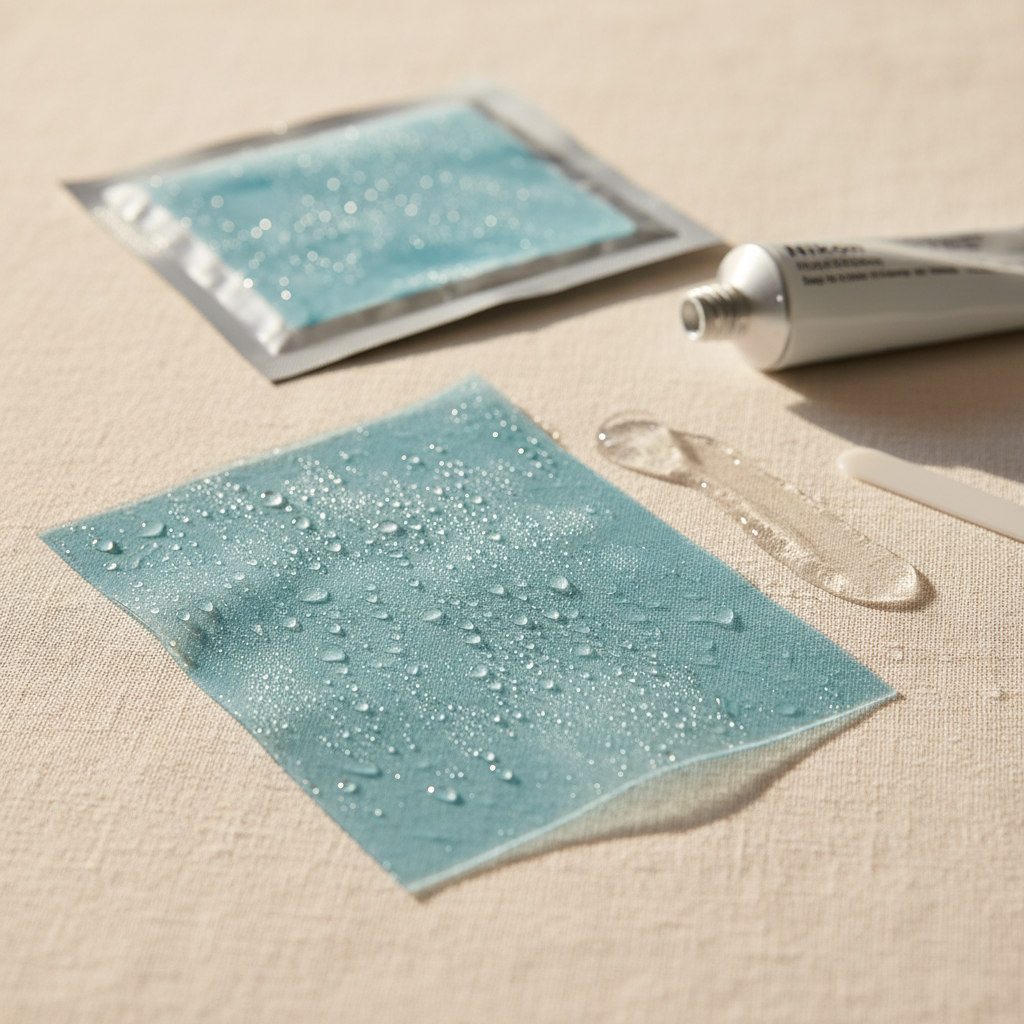
Antimicrobial and Silver Dressings
Silver ions or other antimicrobial agents (cadexomer iodine, polyhexamethylene biguanide) incorporated into foam, alginate, or hydrofiber substrates. Provide sustained antimicrobial activity in the wound bed.
Best for: Infected wounds, critically colonized wounds, wounds at high risk of infection (diabetic ulcers, surgical sites in contaminated fields).
Outpatient note: Reassess after two weeks. Discontinue silver dressings once infection signs resolve to avoid cytotoxicity to healing tissue.
Transparent Film Dressings
Thin, adhesive polyurethane membranes that are permeable to moisture vapor and oxygen but impermeable to bacteria and water. Allow visual wound monitoring without removal.
Best for: Superficial wounds, IV catheter sites, closed surgical incisions, and as secondary dressings over gels or contact layers.
Outpatient note: No absorption capacity. Do not use on exuding wounds. Useful for protecting intact but fragile skin.
Collagen-Based and Bioactive Dressings
Collagen matrices (bovine, porcine, or equine) that attract fibroblasts and support extracellular matrix formation. Some products incorporate growth factors or oxidized regenerated cellulose. The bioactive category also includes honey-based dressings (medical-grade Manuka) that provide antimicrobial activity and osmotic moisture management.
Best for: Stalled chronic wounds, diabetic ulcers that have not responded to standard dressings for 30+ days, venous leg ulcers, and partial-thickness burns.
Outpatient note: Higher cost but may reduce total treatment duration. CMS reimbursement changes (discussed below) affect collagen and bioactive product economics significantly.
90% coverage — Most outpatient facilities can manage approximately 90% of wound care cases with four dressing categories: foam, silicone contact layers, hydrocolloids, and antimicrobial options.
Dressing Change Frequency Reference
Dressing change intervals depend on wound type, exudate volume, and dressing capacity. Over-changing wastes supplies and disrupts wound bed preparation. Under-changing risks maceration, infection, and delayed healing.
- Foam: Every 2-4 days
- Silicone Contact Layer: Every 5-7 days (change secondary pad as needed)
- Hydrocolloid: Every 3-7 days
- Alginate: Every 1-3 days (heavy exudate phase)
- Hydrogel: Every 1-3 days
- Antimicrobial/Silver: Every 1-3 days (per manufacturer)
- Transparent Film: Every 5-7 days
- Collagen/Bioactive: Every 1-7 days (product-specific)
Negative Pressure Wound Therapy (NPWT)
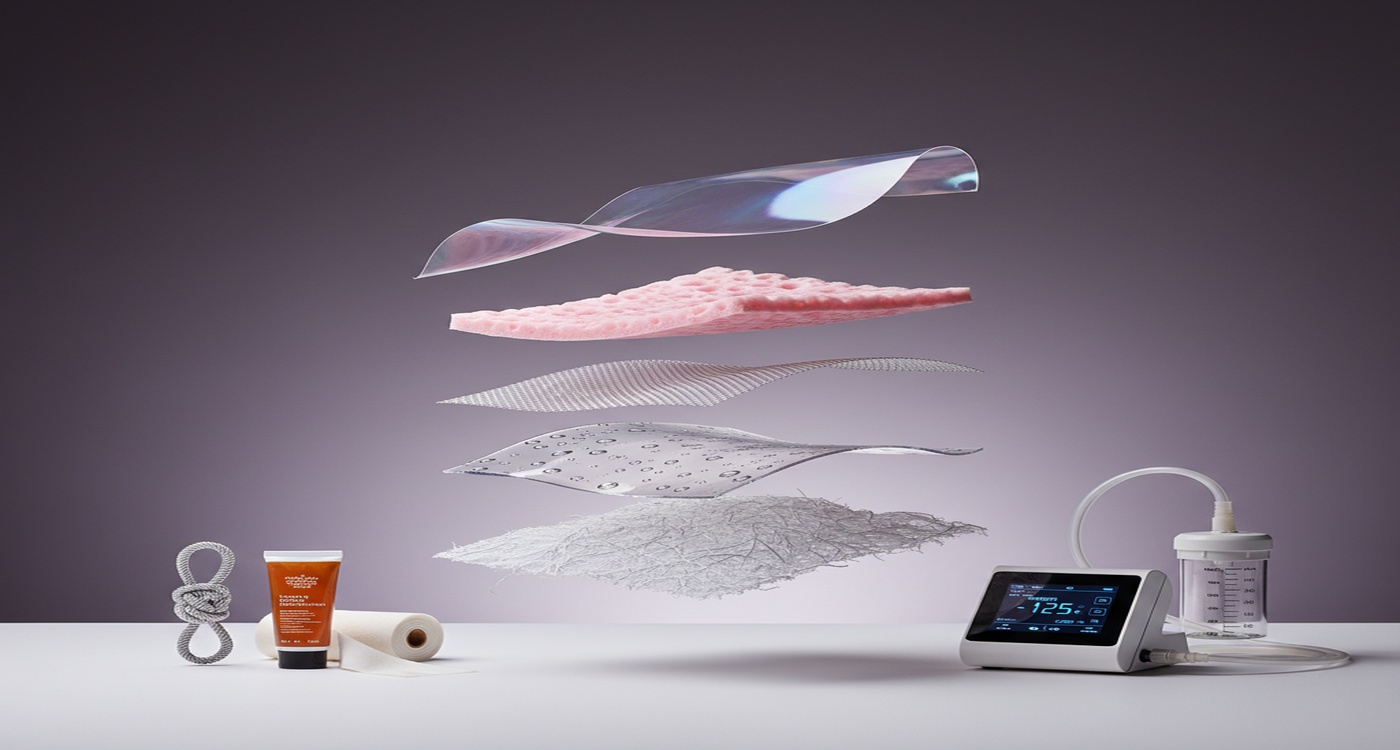
NPWT applies controlled sub-atmospheric pressure to a wound bed through a sealed dressing connected to a vacuum pump. The negative pressure removes excess exudate, reduces edema, increases blood flow to the wound bed, and promotes granulation tissue formation.
40% SSI reduction — A meta-analysis of 45 randomized controlled trials found NPWT reduced surgical site infection risk by approximately 40% compared with standard wound care dressings.
- Source: World Journal of Surgery, meta-analysis of 45 RCTs
FDA contraindications for NPWT: Necrotic tissue with eschar (debride first), untreated osteomyelitis, exposed blood vessels, exposed nerves, exposed anastomotic sites, and malignancy in the wound.
V.A.C. Therapy System (3M/KCI)
The most widely recognized NPWT platform. Uses reticulated open-cell foam (GranuFoam or WhiteFoam for superficial wounds) with continuous or intermittent pressure settings (typically -75 to -125 mmHg). Multiple device sizes from portable to facility-based.
Outpatient use: The V.A.C. Via is designed for ambulatory patients. Battery-powered, lightweight, and compatible with standard GranuFoam dressings.
Cost context: Rental-based pricing. Expect $50 to $100+ per day depending on device model and payer contract. Dressing kits additional.
PICO Single-Use System (Smith+Nephew)
A canisterless, single-use NPWT device. Delivers -80 mmHg through a multilayer absorbent dressing that manages exudate without a collection canister. Battery lasts approximately 7 days per unit.
Outpatient use: The canisterless design eliminates patient burden of managing fluid collection. Simpler for home health and outpatient clinic settings. Indicated for closed surgical incisions, small open wounds, and traumatic wounds.
Cost context: Single-use units typically cost $150 to $300 per device. Lower total cost for short-duration therapy (7 to 14 days) compared to traditional NPWT rentals.
Prevena Incision Management System (3M/KCI)
Purpose-built for closed surgical incisions. Applies -125 mmHg through a silver-impregnated dressing layer over intact suture or staple lines. Designed to reduce SSI risk, seroma formation, and dehiscence in high-risk surgical patients.
Outpatient use: Placed in the operating room and maintained through the early post-operative period. Relevant for ambulatory surgery centers performing orthopedic, abdominal, or vascular procedures where patients are discharged same day or next day.
Cost context: $300 to $500+ per application. Cost-effectiveness depends on baseline SSI rate for the procedure.
Post-Surgical Drain Management
Surgical drains manage fluid accumulation at operative sites. Outpatient facilities encounter drains primarily during post-surgical follow-up visits and drain removal appointments.
Jackson-Pratt (JP) Drains
Closed-suction system with a flat, perforated silicone drain connected to a bulb reservoir. Creates negative pressure when the bulb is compressed. The most common drain in outpatient post-surgical follow-up.
Key supplies: Replacement bulbs, drain sponges (pre-split gauze), skin barrier wipes for peri-drain skin protection, securing devices (StatLock or tape), and graduated cylinders for output measurement.
Par level guidance: For a facility managing 10+ post-surgical drain patients per week, maintain a minimum of 20 replacement bulbs, 50 drain sponges, and 20 skin barrier wipe packets.
Hemovac Drains
Larger reservoir closed-suction system. Uses a spring-loaded disc that generates higher negative pressure than JP drains. More common after orthopedic and larger abdominal procedures.
Key supplies: Replacement reservoirs, drain sponges, securement devices. Hemovac output is typically higher volume — stock larger graduated measurement containers.
Par level guidance: Lower volume in most outpatient settings. Maintain 5 to 10 replacement reservoirs unless your facility specializes in post-orthopedic follow-up.
Drain Site Dressings and Pouching Systems
For high-output drain sites or sites where adhesive dressings fail repeatedly, wound drainage pouching systems (Hollister, ConvaTec) collect fluid while protecting peri-drain skin. These are underutilized in outpatient settings but dramatically reduce dressing change frequency for problematic drain sites.
Key supplies: Drainable wound pouches, skin barrier rings (moldable), adhesive remover, peri-drain skin protectant.
Par level guidance: Stock 10 to 15 drainable wound pouches for facilities with regular surgical follow-up caseloads.
2026 CMS Reimbursement Changes and Your Wound Care Budget
In late 2025, CMS reclassified skin substitutes from biological products to flat-rate “incident-to” supplies. The practical impact: reimbursement shifted from product-specific ASP-based rates to a standardized rate of approximately $127 per square centimeter.
$127/sq cm — The CMS flat-rate reimbursement for skin substitutes under the reclassification.
- Source: CMS Final Rule, CY 2025 Physician Fee Schedule
What This Means for Outpatient Facilities
Winners: Facilities using lower-cost skin substitutes and collagen-based wound care dressings now receive a reimbursement rate that may exceed product cost — creating a positive margin on wound care supply procurement.
Losers: Facilities relying on premium-priced skin substitutes (some exceeding $1,000 per application) now face reimbursement that does not cover product cost. The flat rate eliminates the incentive to use the most expensive option.
Strategic response: Many outpatient facilities are shifting toward collagen-based dressings and bioactive alternatives that deliver wound healing support at a cost point below the $127/sq cm reimbursement threshold. This is a procurement decision, not just a clinical one.
Evaluate your current skin substitute and collagen dressing utilization. If your average product cost per square centimeter exceeds $127, you are losing money on every application under the new CMS model.
Building a Wound Care Supply Procurement Strategy
A reactive approach to wound care supply procurement — reordering what was used last month or buying whatever is cheapest — leads to clinical workarounds, waste, and stockouts. A systematic approach aligns inventory with actual wound types seen in your facility.
Step 1: Audit Your Current Wound Care Supply Utilization
Pull 90 days of supply orders and map them against your wound caseload. Most facilities discover that 60% or more of their wound care supply budget goes to three to five products, while rarely used specialty items expire on shelves.
Questions to answer: Which dressing types are you using most? Are they matched to the wound types you treat most frequently? What products have expired in the last quarter?
Step 2: Standardize by Wound Type, Not by Brand
Build your formulary around the wound assessment decision framework above. Stock one to two options per dressing category rather than multiple brands of the same type. This simplifies staff training, reduces decision fatigue, and consolidates purchasing volume for better pricing.
- Foam dressings: 1 bordered, 1 non-bordered (2 sizes each)
- Silicone contact layer: 1 brand (2 sizes)
- Hydrocolloid: 1 brand (standard and thin, 2 sizes each)
- Antimicrobial: 1 silver foam, 1 silver alginate
- Hydrogel: 1 amorphous tube
- Transparent film: 1 brand (3 sizes)
- Alginate: 1 brand (sheet and rope)
Step 3: Maintain Multiple Supplier Relationships
Single-source procurement creates vulnerability. Supply chain disruptions in 2024-2025 demonstrated that facilities dependent on one distributor faced stockouts lasting weeks. Maintain relationships with at least two suppliers for your core wound care supplies.
USA MedPremium sources wound care supplies from multiple manufacturers and maintains DSCSA-compliant chain of custody from warehouse to your facility. For outpatient facilities managing procurement without a dedicated materials management team, a distributor that stocks across manufacturers — rather than pushing a proprietary product line — reduces the risk of formulary disruption when a single manufacturer faces shortages.
Step 4: Track Outcomes, Not Just Spend
Connect wound care supply utilization to clinical outcomes. Track healing rates, infection rates, and average dressing changes per wound episode. Facilities that track outcomes consistently find opportunities to reduce total cost of care by using more appropriate (sometimes more expensive per-unit) wound care dressings that reduce treatment duration and complication rates.
Build a simple tracking process: wound type, dressing used, number of dressing changes, time to closure, and complications. Even a basic spreadsheet reveals patterns within 90 days.
Wound Care Supply Storage Guidelines
- Temperature: Store all wound care dressings at controlled room temperature (59 to 86°F / 15 to 30°C) unless the manufacturer specifies otherwise. Hydrogels and collagen products are particularly sensitive to temperature extremes.
- Humidity: Keep storage areas dry. Excess humidity can compromise adhesive dressings, hydrocolloid integrity, and sterile packaging seals. Relative humidity below 60% is the general target.
- Light: Store silver dressings and antimicrobial products away from direct light. Silver ions can be activated prematurely by UV exposure, reducing antimicrobial effectiveness.
- Rotation: Use first-in, first-out (FIFO) inventory management. Check expiration dates monthly. Alginate dressings and hydrogels typically have shorter shelf lives (2 to 3 years) compared to foam and film dressings (3 to 5 years).
- Sterility: Never open sterile dressing packages until point of use. If a package seal is broken, compromised, or shows signs of moisture infiltration, discard the product.
- Organization: Label shelves by dressing category (matching your wound-type formulary), not by brand. This aligns storage with the clinical decision process — clinicians look for a dressing type, not a brand name.
When to Refer to a Wound Care Specialist
Not every wound requires specialist intervention, but delayed referral to a WOCN or wound care specialist is one of the most common reasons outpatient wounds become chronic. Refer when:
- Stalled healing: A wound shows no measurable progress (size reduction, increased granulation, reduced exudate) after two to four weeks of appropriate treatment.
- Deterioration: The wound increases in size, develops new necrotic tissue, or shows signs of deep tissue involvement.
- Recurrent infection: A wound requires more than two courses of antimicrobial dressings or systemic antibiotics within a treatment episode.
- Complex wound etiology: Wounds involving multiple factors (diabetes + vascular disease + pressure), radiation-damaged tissue, or atypical presentations.
- Patient non-compliance: Persistent non-adherence to dressing protocols despite education, especially in home health settings.
- Exposed structures: Any wound exposing tendon, bone, or joint capsule requires specialist management.
The WOCN Society maintains a directory of certified wound care specialists at wocn.org.
Frequently Asked Questions
- Disclosure: USA MedPremium is a medical supply distributor. This article is for informational purposes only and does not constitute medical advice. Always consult a qualified healthcare professional for clinical wound care decisions.