Cardiovascular Medications Sourcing Guide: A 2026 Facility Buyer’s Playbook

Takeaways:
- Heparin (extracted from porcine intestinal mucosa) has stayed on the FDA shortage list through late 2025 with manufacturers discontinuing presentations — carry a 30–60 day safety stock, a second finished-product source, and a backup substitute.
- DOACs (Eliquis, Xarelto, Pradaxa, Savaysa) are brand-dominated and not interchangeable across the class, and reversal agents are drug-specific — reversal-agent par must track your facility’s actual DOAC mix.
- NDMA recalls of valsartan and losartan have recurred since 2018; multi-manufacturer sourcing only protects you if those manufacturers use different API sources.
- Cardiovascular procurement is seven sub-categories with distinct supply behavior — each needs its own par-level math and multi-manufacturer plan, not a single line item.
- Reversal agents are the highest-cost, lowest-velocity, most-underbought category — audit par against current DOAC and warfarin utilization at least annually.
- DSCSA lot-level traceability is what lets you identify affected patients fast during a sartan recall, authenticate brand DOACs, and substitute heparin safely across manufacturers.
Cardiovascular medications are the largest single drug category by U.S. prescription volume — and in 2026 they are also one of the hardest categories to keep reliably on the shelf.
The American Society of Health-System Pharmacists has tracked more than 220 active drug shortages through 2025. It has specifically flagged cardiac drug supply. Heparin sodium injection has remained on the FDA Drug Shortages list through late 2025. Multiple manufacturers discontinued presentations during the year. Procurement teams across the country are actively tracking substitute supply. The 2018–2019 valsartan and losartan NDMA contamination recalls remain a lingering procurement problem. Fresh lots periodically retest above limits.
Cardiologists, hospital pharmacists, anticoagulation clinic managers, and primary care procurement leads are all running into the same problem. The supply behavior they planned around in 2023 no longer matches what they actually receive in 2026. This guide walks through how to source cardiovascular and anticoagulant medications when supply is unpredictable. It is organized by drug class, current shortage status, and par-level strategy by facility type.
Skip the audit?
- Have a procurement specialist build a multi-manufacturer cardiovascular formulary plan with you. Request a free supply audit through your USA MedPremium representative and we’ll return a sourcing plan within five business days.
What Changed in Cardiovascular Drug Supply Between 2023 and 2026

Three forces are reshaping cardiovascular procurement, and most facilities are handling all three at once.
Heparin supply pressure has not resolved. Heparin’s active ingredient is extracted from porcine intestinal mucosa — globally sourced and heavily China-dominated — and purified by a small number of specialized manufacturers. When porcine supply is disrupted by African swine fever outbreaks, regulatory changes, or trade disputes, U.S. heparin supply tightens. Demand has stayed elevated since the COVID-era spike, the FDA continues to list heparin sodium injection through late 2025, and several manufacturers discontinued presentations in 2025 — pushing volume onto the remaining suppliers.
NDMA contamination recalls keep returning. Valsartan and losartan have been the most visible drugs affected by N-nitrosodimethylamine (NDMA) impurities since 2018, but the recall cycle has not fully closed. New lots from new manufacturers periodically test above the FDA’s NDMA limit, triggering fresh recalls and putting refill continuity at risk for patients stabilized on those medications.
DOAC consolidation is changing the anticoagulant playing field. Direct oral anticoagulants—apixaban (Eliquis), rivaroxaban (Xarelto), dabigatran (Pradaxa), and edoxaban (Savaysa)—have grown from a prescribing rarity in 2013 to the dominant anticoagulant class. As DOACs displaced warfarin for atrial fibrillation under American College of Cardiology / AHA guidelines, the procurement profile shifted. It went from a single-manufacturer commodity drug (warfarin) to a brand-dominated landscape where Eliquis and Xarelto are not interchangeable with each other or with generic alternatives.
The cumulative effect: a cardiovascular formulary that is harder to stock, harder to substitute through, and clinically less tolerant of mid-therapy switches than it was three years ago.
The Seven Sub-Categories Every Cardiovascular Formulary Covers
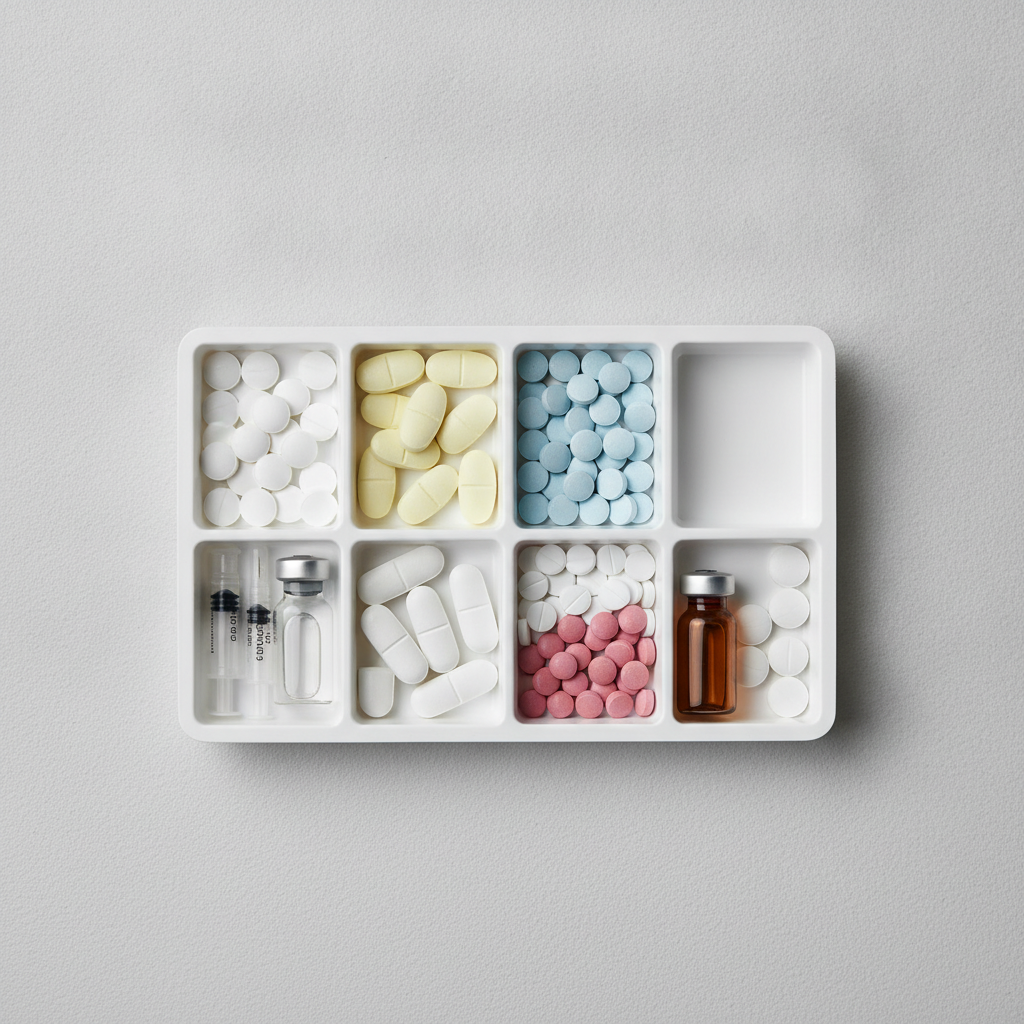
Cardiovascular procurement is not one category. It is seven sub-categories with distinct supply behavior, par-level math, and clinical substitution rules.
- Antiplatelets: Aspirin, clopidogrel, ticagrelor, prasugrel. Generally stable; ticagrelor demand growing.
- Oral anticoagulants (DOACs): Apixaban, rivaroxaban, dabigatran, edoxaban. Brand-dominated; not interchangeable; high cost.
- Oral anticoagulants (legacy): Warfarin. Stable supply; narrow-therapeutic-index management.
- Injectable anticoagulants: Heparin, enoxaparin, fondaparinux, argatroban, bivalirudin. Heparin chronically short; enoxaparin has intermittent spot shortages on prefilled syringes.
- Lipid management: Statins (atorvastatin, rosuvastatin, simvastatin), ezetimibe, PCSK9 inhibitors. Stable for statins; PCSK9s require specialty channels.
- Blood pressure + heart failure: ACE/ARB, beta-blockers, CCB, diuretics, MRA, ARNI, SGLT2. NDMA recall exposure on sartans; otherwise stable.
- Arrhythmia + acute cardiac: Amiodarone, digoxin, nitroglycerin, milrinone, dobutamine. Periodic shortages; injectable forms most volatile.
A facility that treats cardiovascular procurement as a single line item will under-react to the categories that are short and over-react to the ones that are not. Each sub-category needs its own par-level math and multi-manufacturer plan.
The Heparin Shortage in 2026 — What’s Happening and What to Do
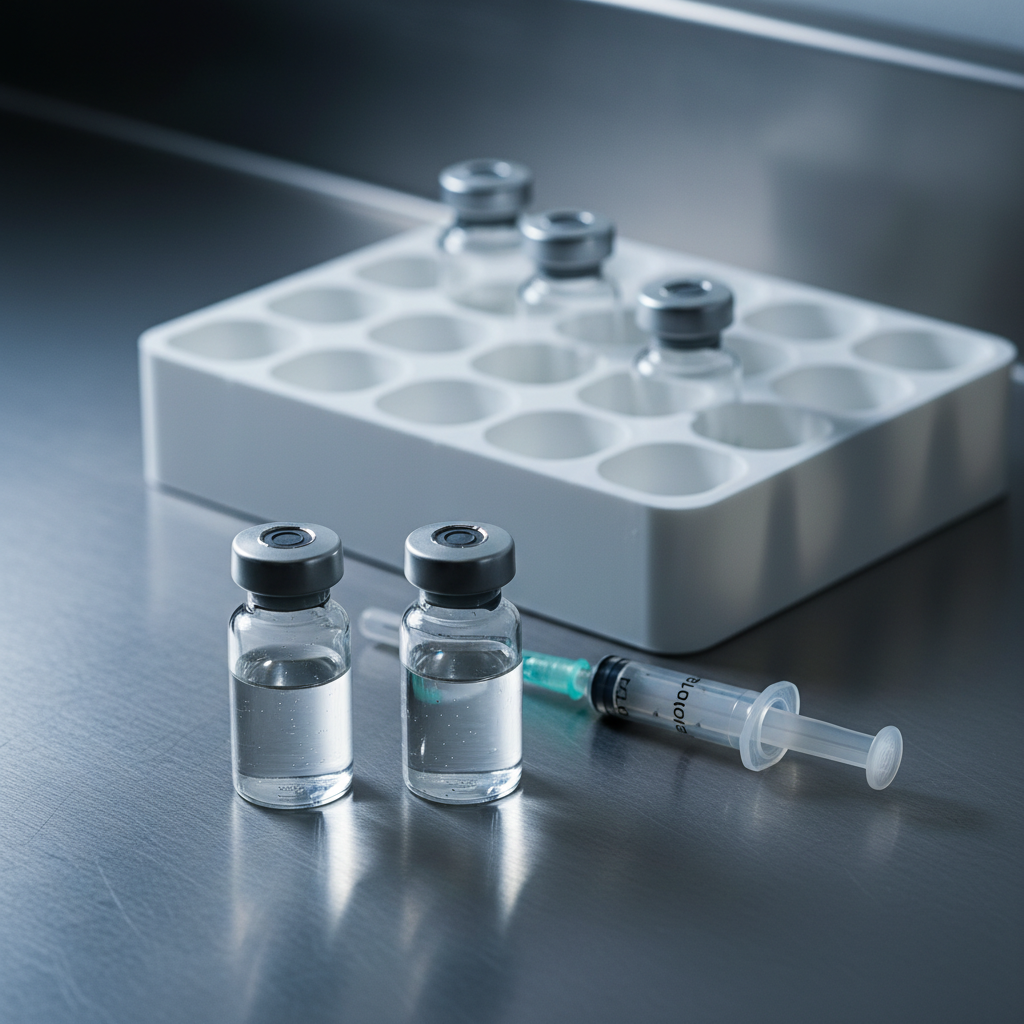
Heparin is the textbook example of a drug whose supply is constrained by upstream factors. The active ingredient is extracted from porcine intestinal mucosa. When that supply tightens—or when manufacturers exit the market, as several did in 2025—downstream U.S. heparin supply follows.
Both ASHP and the FDA have listed multiple heparin presentations on shortage through 2024 and 2025. The implications for facility procurement:
- Hospital outpatient pharmacies stocking heparin for anticoagulation-clinic flushes and bridging should expect intermittent back-orders on 5,000 unit/mL and 10,000 unit/mL vials. Maintain a 30-day safety stock instead of the historical 14-day par.
- Infusion centers using heparin for PICC and central-line flushes should source heparin lock flush (10 unit/mL and 100 unit/mL) from at least two manufacturers. Short-fills on flush concentrations have been common.
- Hospitals running cardiac surgery, dialysis, or ECMO should verify high-concentration heparin (5,000 unit/mL and 25,000 unit pre-mix) against a 60-day par. This absorbs extended back-orders.
Workarounds when heparin is short:
- Therapeutic-dose substitution to enoxaparin (Lovenox) for VTE prophylaxis and treatment in stable patients — verify with anticoagulation services first.
- Bivalirudin or argatroban for cardiac catheterization and HIT patients (different cost, different monitoring).
- Fondaparinux (Arixtra) for selected DVT/PE indications.
Plan for a moving target.
- Enoxaparin is the most common heparin fallback, but it is not a stable backstop on its own — ASHP reports intermittent 2026 spot shortages, especially on 40 mg and 60 mg prefilled syringes. Build redundancy into the substitute as well as the primary, and none of these alternatives are cost-neutral: enoxaparin and bivalirudin run significantly higher per dose than heparin. The procurement question is not “can we substitute” but “are we set up to absorb the cost differential while sourcing across multiple manufacturers — including a backup for the backup.”
DOACs vs. Warfarin: Sourcing Strategy
Direct oral anticoagulants reshaped the U.S. anticoagulant market. Eliquis (apixaban) now leads the class by revenue and is among the most-prescribed oral anticoagulants by volume. Xarelto (rivaroxaban) follows. Pradaxa (dabigatran) and Savaysa (edoxaban) round out the class.
For warfarin:
- Generic-dominated, multiple manufacturers, narrow-therapeutic-index status (INR monitoring required).
- Patients stabilized on one manufacturer should generally stay on that manufacturer — switching causes INR variability.
- Pharmacy should maintain multi-manufacturer supply (Coumadin / Jantoven / generic) but match each refill to the patient’s existing brand/manufacturer.
For DOACs:
- Brand-dominated. Eliquis (Bristol-Myers Squibb / Pfizer) and Xarelto (Janssen) hold most prescribing volume.
- Generic apixaban and rivaroxaban are entering the U.S. market in stages. Availability and substitution rules vary by state.
- DOACs are not interchangeable across the class. Apixaban and rivaroxaban have different dosing schedules and clinical profiles.
- Reversal agents are drug-specific: andexanet alfa (Andexxa) for apixaban and rivaroxaban; idarucizumab (Praxbind) for dabigatran. Reversal-agent par levels must track the underlying DOAC mix at your facility.
The signal to require from your distributor on DOACs: “What is your current and projected availability on each DOAC SKU, what is the AWP and WAC differential for the generic versions where available, and how do you handle DSCSA chain of custody for the new generic apixaban and rivaroxaban lots?”
The NDMA Recall Cycle — Valsartan, Losartan, and What It Taught Us
On July 13, 2018, the FDA announced the first of a long series of recalls of valsartan, losartan, and irbesartan due to NDMA and NDEA impurities in the active pharmaceutical ingredient. Several manufacturer lots tested above the FDA’s safety limit. The recall affected hundreds of thousands of bottles across multiple manufacturers and dragged on for years as new lots from new sources periodically retested above limits.
The lessons are now baked into cardiovascular procurement best practice:
- API source matters as much as finished-product manufacturer. The contamination originated upstream at the API supplier. Finished-product manufacturers had to recall regardless of their own quality systems. Multi-manufacturer sourcing only protects you if those manufacturers actually use different API sources.
- Recall-to-restock timelines have lengthened. When a major sartan manufacturer goes into recall, substitute supply does not appear overnight. Facilities with secondary manufacturer relationships already in place absorbed the disruption faster.
- Patient communication is part of the procurement workflow. Sartans treat hypertension and heart failure. Disrupting refills puts patients at clinical risk. The pharmacies that handled NDMA recalls best had documented substitution protocols and prescriber-communication scripts ready before the recall.
Refresh your sartan substitution playbook now, while supply is calm. Do not wait until the next recall.
Multi-Manufacturer Sourcing — Cardiovascular Edition
The multi-source standard for cardiovascular drugs in 2026 should look like this:
- Statins (atorvastatin, rosuvastatin): Primary: preferred generic manufacturer. Secondary: second generic at 30–50% par. Backup: brand for narrow-window cases.
- Sartans (losartan, valsartan, irbesartan): Primary: two manufacturers with different API sources documented. Backup: brand (Cozaar, Diovan, Avapro) for 14-day supply.
- ACE inhibitors (lisinopril, enalapril): Primary: preferred generic. Secondary: second generic at 30% par.
- Beta-blockers (metoprolol, carvedilol): Primary: two manufacturers. Backup: brand for narrow-window cases.
- Antiplatelets (clopidogrel, ticagrelor): Primary: preferred generic clopidogrel; brand for ticagrelor. Secondary: second clopidogrel generic.
- DOACs (apixaban, rivaroxaban): Primary: brand (no routine clinical generic substitution yet). Secondary: authorized generic where available. Backup: branded at 21-day par.
- Warfarin: Primary: preferred manufacturer matched to the patient. Secondary: at 30% par.
- Heparin injectable: Primary: two manufacturers if available. Substitute: LMWH (enoxaparin) as backup. HIT: bivalirudin / argatroban.
- Enoxaparin (Lovenox): Primary: preferred generic + brand. Secondary: second generic manufacturer (cover prefilled-syringe gaps). Backup: brand at 14-day par.
- Amiodarone: Two manufacturers, oral and IV sourced separately.
- Furosemide oral + IV: Two manufacturers for each form.
The question to ask every distributor on cardiovascular reorders: “For each manufacturer source you can ship from, can you tell me the current availability, the projected supply window, and the API origin where relevant?” A distributor that can answer this is built for current cardiovascular volatility. One that cannot is back-ordering against the same constraints you already see on your shelf.
Par Levels by Facility Type
Cardiovascular par levels are highly facility-specific. The framework below is a starting point — calibrate to your dispensing and case mix.
Retail or independent community pharmacy
- Top 15 SKUs (atorvastatin, lisinopril, losartan, metoprolol, amlodipine, clopidogrel, hydrochlorothiazide, furosemide, carvedilol, simvastatin, rosuvastatin, Eliquis, Xarelto, ezetimibe, warfarin) at 30-day par from the primary manufacturer, plus a secondary manufacturer at 30% par on the top six SKUs.
- Reorder trigger at 14 days remaining.
- Maintain brand backup for narrow-window patients.
Hospital outpatient pharmacy
- Full cardiovascular prescription mix.
- Injectable inventory (heparin, enoxaparin, amiodarone IV, furosemide IV) at 30–60-day par given current shortage exposure.
- Bridging anticoagulant kits (enoxaparin prefilled syringes) stocked at full par year-round — and confirm syringe-strength availability monthly, given intermittent spot shortages.
Cardiology specialty practice
- Office stock typically light for oral medications (most dispensing happens at retail), but specialty DOAC samples and patient-assistance enrollment require active management.
- Reversal-agent access (Andexxa, Praxbind) coordinated through a hospital-outpatient-pharmacy partnership.
Anticoagulation clinic
- Warfarin in matched-manufacturer stocks for stabilized patients.
- Enoxaparin prefilled syringes for bridging at 14-day par (with a second manufacturer identified for syringe-strength gaps).
- DOAC patient-assistance enrollment workflow rather than physical stock.
Infusion center
- IV heparin flush concentrations (10 unit/mL, 100 unit/mL) at 30-day par given recent volatility.
- Argatroban and bivalirudin where the patient mix includes HIT or coagulation disorders.
- IV amiodarone and IV furosemide at 30-day par from two manufacturers each.
Hospital inpatient pharmacy (acute care)
- All injectable cardiac drugs at 60-day par minimum given the current shortage profile.
- High-concentration heparin (5,000 unit/mL and 25,000 unit pre-mix) at 60–90-day par for cardiac surgery and ECMO.
- Reversal agents (Andexxa, Praxbind, vitamin K injection, protamine sulfate) stocked per anticoagulant utilization.
Reversal Agents — The Category Most Facilities Underbuy
Cardiovascular and anticoagulant reversal agents are the highest-cost, lowest-velocity category in most formularies. They are also the easiest to under-stock, because they sit on the shelf until they are urgently needed.
- Apixaban or rivaroxaban reversal: Andexanet alfa (Andexxa). Very high cost; restricted-access programs in many institutions.
- Dabigatran reversal: Idarucizumab (Praxbind). Single-use vial; verify shelf-life rotation.
- Warfarin reversal: Vitamin K1 injection + 4-factor PCC (Kcentra). Stock both; PCC is high-cost / high-importance.
- Heparin reversal: Protamine sulfate. Stable supply; 14-day par adequate.
- Fibrinolytic-related: FFP (fresh frozen plasma). Blood-bank coordination.
Because andexanet alfa acts on the anti-Factor Xa molecule itself, it reverses apixaban and rivaroxaban whether the dispensed product is branded or generic. Your reversal plan does not change as generics enter the market.
The audit question for reversal agents: “When did we last verify shelf-life rotation on our reversal stock, and does the par level match our current DOAC and warfarin utilization?” Most facilities that audit this find their reversal-agent par is set against a 2022 utilization profile that no longer matches the current DOAC mix.
DSCSA + State Pharmacy Board Considerations
Cardiovascular drugs are DSCSA-regulated, which means every step of the supply chain must be tracked and auditable. Where it matters most:
- Sartan recalls. Lot-level traceability lets you identify affected patients quickly when valsartan or losartan is recalled.
- DOAC authentication. Counterfeit Eliquis and Xarelto have been reported in international supply chains. DSCSA chain of custody is the verification layer.
- Heparin substitution. When one manufacturer’s heparin is short, your distributor’s ability to source from a second manufacturer with full chain-of-custody documentation is what keeps patients dosed safely.
Procurement checklist:
- Distributor holds active state wholesale pharmaceutical distribution licenses in your state and every state where patients receive shipments. Verify each before ordering.
- Distributor provides verified transaction information (TI) and transaction statement (TS) records, with interoperable electronic tracing per the DSCSA enhanced requirements.
- Records are interoperable with your pharmacy management or EHR system for fast lot tracing.
- Distributor can identify which manufacturer source supplied which lot.
How USA MedPremium Approaches Cardiovascular Procurement
For pharmacies, hospitals, and clinics navigating the cardiovascular shortage cycle, our 2026 procurement framework includes:
- Active DSCSA-compliant chain of custody on every shipment, with state wholesale distribution licenses published for verification.
- Multi-manufacturer sourcing for the top 25 cardiovascular SKUs (statins, sartans, ACE/ARB, beta-blockers, DOACs, antiplatelets, diuretics, antiarrhythmics).
- Brand backup supply across Eliquis, Xarelto, Pradaxa, Brilinta, and Lovenox for narrow-window patients.
- Heparin sourcing across multiple finished-product manufacturers with API origin documented.
- Reversal-agent procurement (Andexxa, Praxbind, Kcentra, vitamin K, protamine sulfate) coordinated to match facility DOAC utilization.
- Procurement specialists available 24/7 for urgent reorders during shortage events.
Request your free procurement audit.
- Send us your last 90 days of dispensing history and a specialist will return a multi-manufacturer cardiovascular and anticoagulant sourcing plan within five business days.
Explore the catalog directly:
Frequently Asked Questions
Related reading:
- Injectable Antibiotic Procurement: Maintaining Access When Your Supplier Is Backordered
- Levothyroxine Procurement Guide: Multi-Manufacturer Sourcing and DSCSA Compliance
Sources & References
- ASHP — Current Drug Shortages (active shortages list)
- FDA — Drug Shortages (active shortages database)
- American College of Cardiology — Clinical Guidelines (AF, DOAC, ACS)
- American Heart Association — Professional Resources and Clinical Statements
- FDA — Valsartan, Losartan, Irbesartan Recall Information (NDMA Impurities)
- FDA — Drug Supply Chain Security Act (DSCSA)
- Disclosure: USA MedPremium is a licensed pharmaceutical distributor. This article is for informational purposes only and does not constitute medical advice. Clinical decisions regarding cardiovascular and anticoagulant therapy, substitution, and reversal should be made by qualified healthcare providers. Drug shortage status, recall status, generic availability, and DSCSA deadlines change frequently — verify current details against the primary source before acting.