Beauty Drips That Sell: Building a Compliant Aesthetic IV Menu
Takeaways:
- Glutathione is the biggest landmine on the menu. The FDA has not approved any injectable for skin whitening, a federal court ordered an injectable-glutathione recall, and the evidence for lightening is modest and temporary — never market it as a whitening or bleaching injection.
- Biotin is a quiet lab-test hazard. The FDA warns it can significantly interfere with lab tests — including falsely low troponin, the marker used to diagnose a heart attack — so build biotin disclosure into your intake and aftercare materials.
- Vitamin C is the most defensible of the three, with guardrails. High-dose IV vitamin C is not evidence-supported for treating disease and carries real risks — oxalate nephropathy and hemolysis in G6PD deficiency — so screen renal status and G6PD and keep claims to general wellness.
- Source like the ingredient is injectable — because it is. Dietary-supplement-grade powder is not injectable-grade; the FDA’s glutathione warning exists precisely because a supply chain blurred that line and patients were harmed. Buy only through compliant 503A/503B channels under USP <797>.
- Hold every claim to one standard. The FTC applies the same substantiation bar — competent and reliable scientific evidence — whether a claim is framed as cosmetic, structure/function, or drug. Whitening or disease claims convert a cosmetic drip into an unapproved drug.
Glutathione, biotin, and vitamin C are the backbone of nearly every aesthetic IV menu — and demand keeps climbing. But these three ingredients also carry the highest compliance risk of anything on a med spa drip list. The FDA has issued direct warnings on all three. Here’s how to build a beauty-drip menu that attracts clients and survives scrutiny.
For adjacent procurement decisions, see our 2026 IV therapy sourcing playbook, our guide to adding NAD+ as a premium service, building compliant GLP-1 IV support programs, and 503A vs. 503B compounding.
The Demand Is Real — and So Is the Scrutiny
Vitamin cocktails captured roughly 44.6% of IV hydration market share in 2024, and med spas hold the largest channel share (directional, drawn from market research rather than peer-reviewed data). The “beauty from within” sub-market is growing fast. But 2024–2026 also brought sharper enforcement — particularly around injectable skin-whitening — making ingredient knowledge a survival skill, not a nice-to-have.
Glutathione: The Biggest Landmine
This is the ingredient most likely to get a clinic in trouble. Two facts every owner must internalize:
- The FDA has not approved any injectable drug for skin whitening or lightening — and a federal court entered a consent decree ordering Flawless Beauty to stop selling and recall its injectable glutathione skin-whitening kits as unapproved new drugs.
- The FDA warned compounders not to use dietary-ingredient glutathione for sterile injectables after seven patients suffered adverse events consistent with endotoxin contamination.
The evidence is equally sobering. A 2025 narrative review in Cureus found IV glutathione’s skin-lightening effects “modest and temporary,” fading within about six months, with one study reporting 32% adverse events including liver dysfunction and a case of anaphylaxis. A 2025 systematic review in the International Journal of Dermatology likewise ties IV glutathione to anaphylaxis and hepatotoxicity, with no standardized dosing.
The compliant move: never market glutathione as a skin-whitening or bleaching injection. Offer it only as a compounded product for licensed practitioners. Source through proper 503A/503B channels. Make no whitening or disease claims.
Biotin: The Quiet Lab-Test Hazard
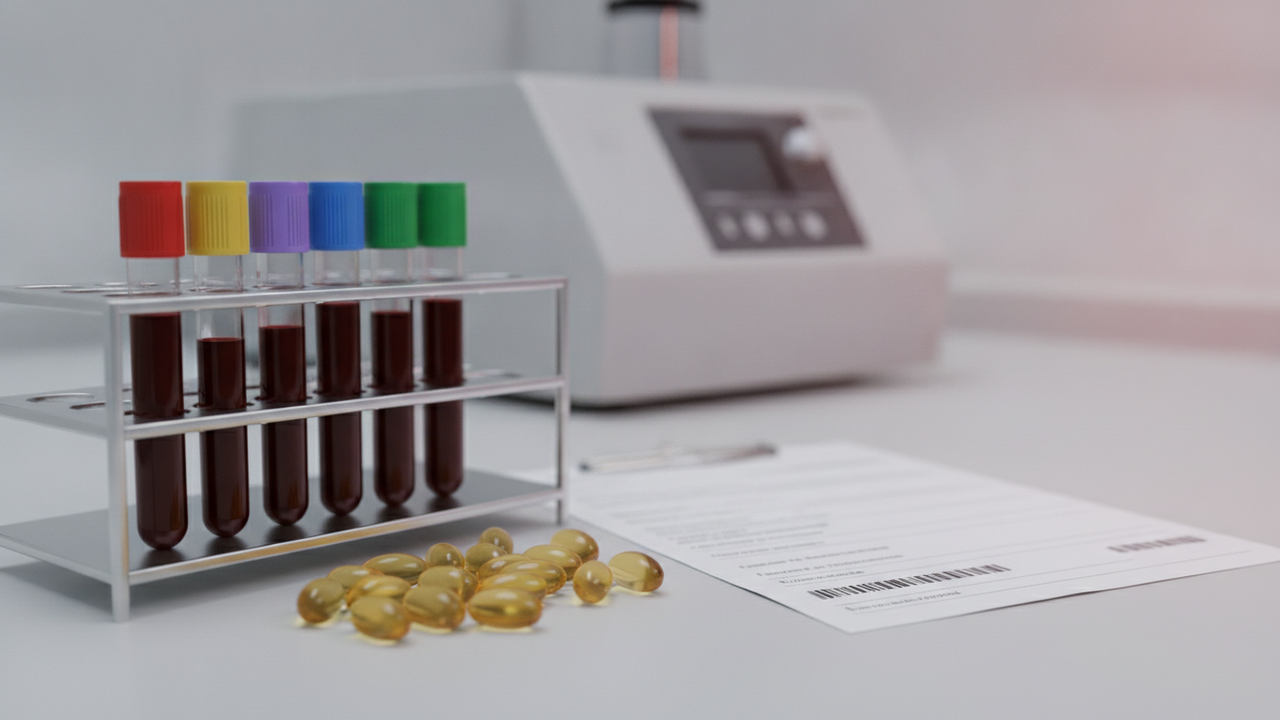
Biotin seems harmless — it’s in countless hair-skin-nail products. But the FDA warns that biotin can significantly interfere with lab tests, causing incorrect results that may go undetected — including falsely low troponin, the marker used to diagnose a heart attack. Many supplements contain biotin at far above the recommended daily intake.
The compliant move: if you offer biotin-containing drips, advise patients to disclose biotin use to their providers and labs. Build that disclosure into your intake and aftercare materials.
Vitamin C: Defensible, With Guardrails
IV vitamin C is the most defensible of the three for antioxidant/wellness positioning. High-dose IV vitamin C is not evidence-supported for treating disease and carries real risks. A 2026 systematic review documents oxalate nephropathy (potentially requiring dialysis) and hemolysis in patients with G6PD deficiency. It recommends baseline renal and G6PD screening.
The compliant move: keep claims to general antioxidant/wellness support. Screen appropriately per your medical director. Avoid disease-treatment language.
Source Like the Ingredient Is Injectable — Because It Is
The common thread across all three: dietary-supplement-grade powder is not injectable-grade. The FDA’s glutathione warning exists precisely because a clinic supply chain blurred that line and patients were harmed. Sterile IV preparations fall under USP <797>, and your ingredients should come through compliant 503A/503B channels — not a supplement supplier.
Claims: One Standard for Everything
The FTC’s Health Products Compliance Guidance applies the same substantiation standard — competent and reliable scientific evidence — whether a claim is framed as cosmetic, structure/function, or drug. “Brightens skin,” “detoxifies,” and “anti-aging” all need support; whitening or disease claims convert your cosmetic drip into an unapproved drug in the eyes of regulators.
Your Beauty-Menu Checklist
- Never market glutathione as skin-whitening or bleaching — no whitening claims, period.
- Disclose biotin lab interference in intake and aftercare.
- Screen for renal status and G6PD before high-dose vitamin C.
- Source injectable-grade only, through 503A/503B under USP <797>.
- Hold every claim to the FTC evidence standard.
- Check your state board for who may order and administer.
Stock a Beauty-Drip Menu Built on Compliant Supply
USA MedPremium supplies med spas and aesthetic clinics with injectable-grade, compliance-ready IV ingredients and documentation. Your menu can attract clients without inviting scrutiny. Stock your program from our IV Therapy, Pharmacy, and Over the Counter categories.
Register for a wholesale business account to view pricing, or contact our procurement team to build your aesthetic IV menu.
Connect with an Expert!Frequently Asked Questions
Related reading:
- The 2026 IV Therapy Sourcing Playbook: How Compliant Clinics Buy Smarter
- NAD+ IV Therapy: The Premium Service Behind 2026’s Highest Margins
- The GLP-1 Add-On Playbook: Building Compliant IV Support Programs
- 503A vs. 503B Compounding: What Every Clinic Buyer Must Verify
Sources
- FDA — Flawless Beauty, LLC Issues Voluntary Recall of Unapproved Drugs (Consent Decree of Permanent Injunction)
- FDA — Highlights Concerns With Using Dietary Ingredient Glutathione to Compound Sterile Injectables
- FDA — Biotin Interference With Troponin Lab Tests
- Cureus (2025) — Exploring the Safety and Efficacy of Glutathione Supplementation for Skin Lightening: A Narrative Review
- International Journal of Dermatology (2025) — Glutathione as a Skin-Lightening Agent and in Melasma: A Systematic Review
- NIH / PMC (2026) — Clinical Benefits and Risks of High-Dose Intravenous Vitamin C: A Systematic Review
- FDA — Bulk Drug Substances Used in Compounding Under Section 503A of the FD&C Act
- Federal Trade Commission — Health Products Compliance Guidance
- U.S. Pharmacopeia — General Chapter <797> Sterile Compounding
- Disclaimer: This article is for informational purposes only and is intended for licensed B2B purchasers — it is not medical, legal, or regulatory advice. Requirements vary by state and change over time, so verify all sourcing and compliance practices with your own counsel and licensing authorities. No product referenced is claimed to diagnose, treat, cure, or prevent any disease.